Books read in 2025: 136
Comics and graphic novels included in reading total: 4
Books of poetry included in reading total: 3
Books reread included in reading total: 8
Academic & Education related books included in reading total: 22
La Cuenta and immigration research related books included in total: 14
I just finished the third book in Solvej Balle’s On the Calculation of Volume series and I. am. In. (Think French Groundhog Day but with nothing happening for most of the first two books.) I am excited for book four next year.
My favorite non-fiction book of the year was Vauhini Vara’s Searches: Selfhood in the Digital Age. If you have ever a) used the internet or b) known someone who has used the internet, you’d probably be interested in this book.
Novels that have stayed with me throughout the year include Laila Lalami’s The Dream Hotel and Bruce Holsinger’s Culpability, both very different reflections on our current relationship to AI, surveillance, and automation.
I don’t read a ton of horror but loved Joe Hill’s King Sorrow. Pitch: a group of kids summon a dragon to deal with a bully and then deal with the lingering consequences.
Nearly twenty years ago, I read an excerpt of Helen DeWitt and Ilya Gridneff’s Your Name Here in an early issue of N+1, promptly sent a few bucks to DeWitt via Paypal, and printed out a full PDF of the unreleased book. It’s a strange feeling to see such an odd book out in the wild and finally commercially available.
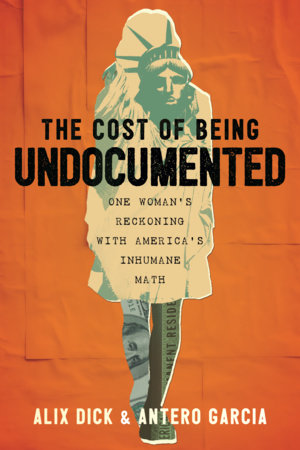
Did I mention that The Cost of Being Undocumented was published earlier this year? Or that there is a free discussion guide for it? Or that we publish weekly at La Cuenta the stories, perspectives, and voices of members of the undocumented community? While this blog has not been updated in a year, I’m consistently sending out a weekly missive through La Cuenta every Thursday, join me over there.
My favorite records from this year were Deafheaven’s Lonely People with Power and Oklou’s Choke Enough (Oklou’s album doesn’t really sound much like that Tiny Desk performance, but both are lovely.)
Finally, the recent records from Old Saw and Rafael Toral are these strange takes on drone and melody. Along with Deafheaven, these are probably the two records I’ve gotten the most writing done while playing. Toral takes jazz standards and stretches them to their glacial, unrecognizable limits while Old Saw takes the ingredients of Appalachian folk and keeps them in an indefinite, simmering stasis.
Like last year, I probably missed a few books in the tally below, but seeing as the year is winding down, I’m calling it. For the 15th year in a row, here is my annual reading and listening summary (As always here are my posts on books read in 2023, 2022, 2021, 2020, 2019, 2018, 2017, 2016, 2015, 2014, 2013, 2012, 2011, 2010, and 2009):
Books read in 2024: 172
Comics and graphic novels included in reading total: 9
Books of poetry included in reading total: 5
Books reread included in reading total: 10
Academic & Education related books included in reading total: 30
La Cuenta and immigration research related books included in total: 22
Not counted in this total is The Cost of Being Undocumented, the book that Alix Dick and I finished at the beginning of 2024 and spent good chunks of this year editing. (The minor edits to the book’s page proofs are due on January 2nd.) I read the completed manuscript six times throughout the year in addition to substantial time spent editing, rewriting, and reworking various chapters.
I don’t tend to put myself out there for my various publishing projects, but this was my favorite book of 2024, and I am absolutely thrilled to share it with you all in June.
We’ll be announcing pre-order stuff soon – if you haven’t subscribed to La Cuenta, we have had an amazing year of writing in that space and will share various book updates over there.
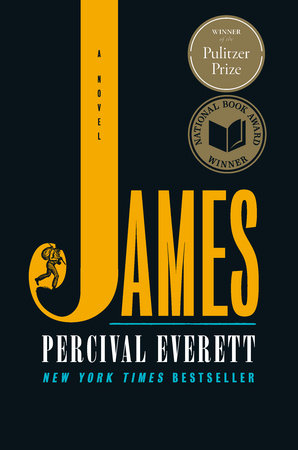
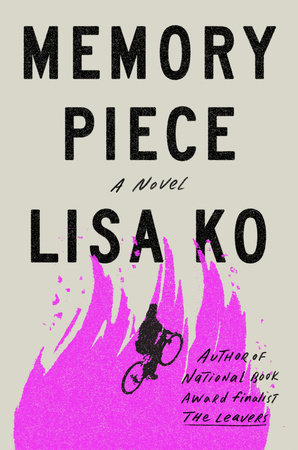
My favorite novels of the year were Percival Everett’s James and Lisa Ko’s Memory Piece. These were both books that lingered long after I finished them. I highly recommend both.
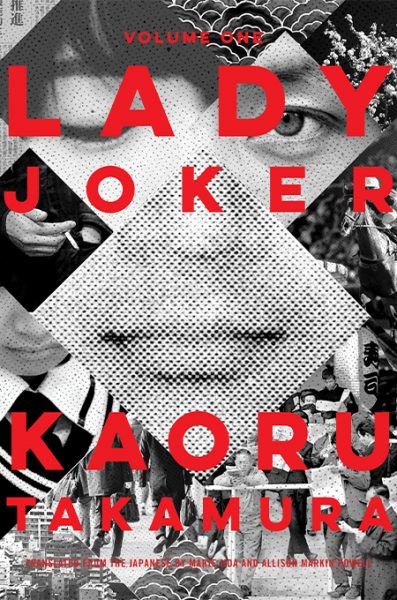
Other fiction shoutouts include Kelly Link’s The Book of Love, Rufi Thorpe’s Margo’s Got Money Troubles, and Kaoru Takamura’s two-part epic, Lady Joker (imagine a Michael Mann heist-y story set in ‘90s era Japan but with hundreds of pages that unfold slowly about the socioeconomic conditions that led to the heist. A glacial thriller that I hope leads to more of her work being translated into English.)
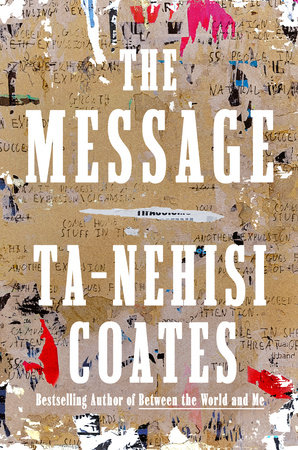
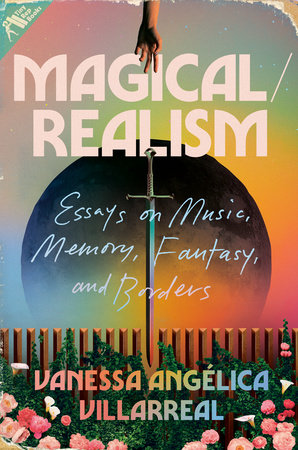
Three essential non-fiction reads for understanding this present moment and the possible worlds to come: Ta-Nehisi Coates’ The Message, Vanessa Angélica Villareal’s Magical / Realism, and Alexis Pauline Gumb’s Survival is a Promise.
.
Danez Smith’s Bluff was my favorite book of poetry this year (the source for the title of this post). It felt even more stylistically (and typographically) playful than their previous work, while still being something accessible for most readers.
For La Cuenta, we interviewed some amazing authors over this past year. It was a pleasure to get to dig into some really incredible books including Silky Shah’s Unbuild Walls, Prisca Dorcas Mojica Rodríguez Tias and Primas (interview coming in January), Elizabeth Camarillo Gutierrez’s My Side of the River, and Bill Ong Hing’s Humanizing Immigration.
In terms of music, sometime last year I finished watching Reservation Dogs and a song from Ted Lucas played near the end of one of the final episodes:
I’d never heard of Lucas before, but his self titled album has been a consistent go-to throughout the year.
In November, Autechre released 12 (?!) different live albums. I am still working my way through the plethora of bloops recorded across the globe, but every set has been stunning. I’m genuinely surprised not as many people have been raving about this.
It’s totally cool to be 10,000+ words over, right?
It’s been a push, but I am excited by what we’ve put together. We have a substantial revising and production journey ahead of us, but I am looking forward to sharing this work with you all in the coming months.
Books read in 2023: 164 (exactly one more book than in 2022)
Comics and graphic novels included in reading total: 7
Books of poetry included in reading total: 4
Books reread included in reading total: 9
Academic & Education related books included in reading total: 29
Cost of Convenience & La Cuenta related books included in total: 34
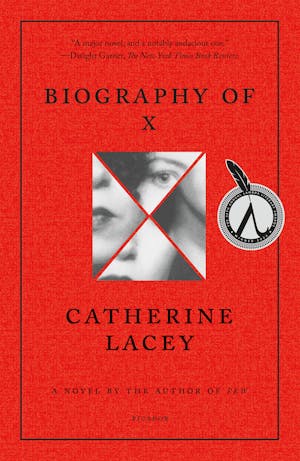
My favorite novels of the year was Catherine Lacey’s Biography of X – a speculative reimagining of U.S. history through exploring the life of the titular feminist artist X. Kinda?
Patrick DeWitt’s newest novel, The Librarianist, was wonderful. Signature DeWitt, it was equal parts funny, absurd, and touching. It also wasn’t all that much about libraries. Yes, I read the trendier library-related book… that’s all I have to say about it.
My two favorite non-fiction books of the year were Malcolm Harris’ Palo Alto (a book I picked up based on the animosity in the NYT review of it!) and Naomi Klein’s Doppelganger. There’s a longer note I want to make about my own parallel experiences with dopplegangers in academia, but that will have to wait for another day.
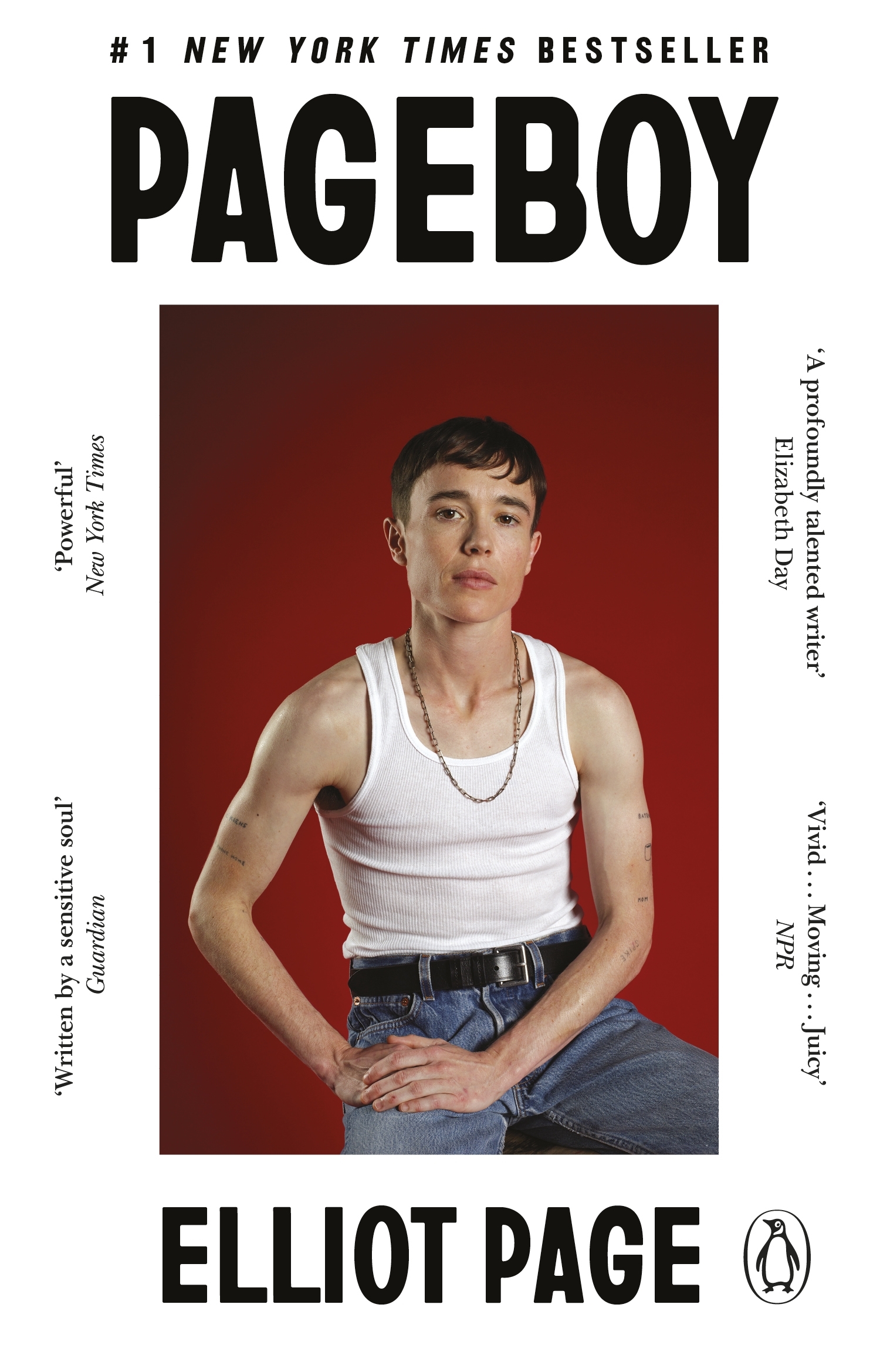
I liked both Elliot Page’s and Britney Spears’ memoirs and I’m kind of surprised that Page’s didn’t get the same kind of tell-all attention as the Spears’. Not enough “fo-shiz fo-shiz what’s up homie!” moments, I guess.
I also really liked reading through new books from Jose Olivarez, Anna Lekas Miller, Rafael Agustin, and Silvia Rodriguez Vega. Even if we didn’t interview all of these authors for La Cuenta, I would highly recommend their books! (Shameless plug: I spent a good portion of my academic time editing and co-writing for La Cuenta. If you haven’t looked at our growing community, check it out.)
In terms of music, Olivia Rodrigo’s Guts and Jeff Rosenstock’s HELLMODE were the big obvious pop albums I listened to the most this year. This post’s title comes from the title song on Rosenstock’s album.
Karol G’s Mañana Será Bonito and particularly the Tiny Desk version of “GUCCI LOS PAÑOS” were on constant rotation.
I pretty much loved everything that was put out by the labels International Anthem (my go-to jazz-ish label), Perc Trax (my go-to obnoxious electronica label), and Backwoodz Studioz (go-to hip-hop). To the latter, both Billy Woods-relatedalbums this year were amazing.
(Shouts to DJ Haram for the amazing production work here and her random Lot Radio sets I listened through.)
For a few years now, my most consistent soundtrack when flying has been this 2+hour mix from Avalon Emerson. She’s been one of my favorite DJs for a while and put out an amazing, quiet electronic pop album. She also produced my favorite track on the Romy’s solo album:
With my travel increasing in a still-pandemic world this year, I spent much of my reading time with balm-y genre fiction and lightweight non-fiction-y books that didn’t make a huge impression on me (a shoutout to Jane Pek’s The Verifier’s — a fun detective-y book about online dating and truth). This was largely a year of reading helping to passively center travel, teaching, writing, and parenting that often felt chaotic.
One note: in last year’s tally, I read 19 books for an “untitled new research project.” That project (or at least the version that is shared weekly) is La Cuenta and if you haven’t checked it out, it’s why this blog has been a little dusty lately.
Books read in 2022: 163
Comics and graphic novels included in reading total: 9
Books of poetry included in reading total: 7
Books reread included in reading total: 4
Academic & Education related books included in reading total: 26
YA and Junior Fiction books included in reading total: 11
La Cuenta related books included in total: 18
Sequoia Nagamatsu’s How High We Go in the Dark is the book that’s stayed with me the most throughout the year. The interconnected stories were unsettling and bleak, though I finished the book with at least a muted sense of hopefulness. Not all of the stories worked for me, but the ones that did were absolute gut-punches.
Hua Hsu’s memoir, Stay True, was also a gem this year. Small but not sleight, it’s a story of deciphering a distant father, growing up, and the ways loss sticks with us in ways unexpected.
Two speculative novels that I finished late in the year were Vauhini Vara’s Immortal King Rao and Ray Nayler’s The Mountain in the Sea. These are very different books about progress, empathy, and identity.
I adored Danyel Smith’s Shine Bright,a book about Black women in pop music. I felt unfulfilled by Dilla Time but it made me nostalgic for Slum Village and gave me a better appreciation of the Flying Lotus/Hiatus Kaiyote concert I attended over the summer.
I read more memoirs this year (partly for La Cuenta and just because it’s a genre I haven’t spent much time with). Erika Sanchez’s Crying in the Bathroom and Julissa Arce’s You Sound Like a White Girl were both excellent. (Arce’s is less memoir than diatribe, but I’m lumping it in here anyway.) Rollie Pemberton’s (aka Cadence Weapon) memoir Bedroom Rapper spoke to the indie music scene of my college days and even references a message board I’ve been a steady member of for more than two decades. This very old video of Rollie singing alongside Dan Bejar and Owen Pallett might be the most mid-2000s Canadian indie rock thing that exists on youtube:
Two academic books I loved this year were Ruha Benjamin’s Viral Justice and Leigh Patel’s No Study Without Struggle. Both books were tremendous. We should be reading these books joyfully, urgently, and collectively.
A special nod here: between his poetry, this collection of album-related art, and the stellar new Sun Ra Arkestra album, Living Sky, I’ve spent a lot of time thinking and learning from Sun Ra this year. This twitter account of Sun Ra quotes is always a helpful beacon when I need to get back to writing. The new album is pretty good entry point for all things Sun Ra… even if he hasn’t been alive to record for three decades now.
As I’ve mentioned in the past, I listen to a ton of audiobooks. Sara Novic’s True Biz, a book about a school for the deaf community, is an entertaining read on its own. The print version offers visual depictions of signed dialogue. For the audiobook, the author recorded these signs and the audible pats, rubs, and hand movements offer a sonic texture unlike any other book I’ve listened to.
Kate Gavino’s A Career in Books is a delightful and verbose graphic novel about the New York publishing world. Two graphic novels unsettled me and played with the form in continually inventive ways: Conor Stechschulte’s Ultrasound and Nick Drnaso’s Acting Class.
In terms of music this year, my writing time is spent primarily with rhythmic dissonance playing in the background. Hardcore punk, black metal, and repetitive electronica have been in regular rotation.
My favorite album of the year is Soul Glo’s Diaspora Problems. Or maybe Rosalia’s Motomami. Or maybe Billy Woods’ Aethiopes. Just listen to all of those.
Yes, I liked Renaissance, but Honey Dijon’s Black Girl Magic is the better, dancier version of what that album could have been.
As I mentioned above, I listened to a lot of dance-y electronica stuff in the background. I mostly listened to minimal/EDMish stuff in the past, but my listening took a turn this year. Avalon Emerson’s mixes are always highlights. This live set from 1990 has been fun, the brutal repetitive-ness of various Prec Trax are usually a good time, and I got lost in Hagop Tchaparian’s Bolts. Nicola Cruz was new to me and both his Fabric mix and Self Oscillation were good writing highlights for me. I really liked Eris Drew’s Boiler Room set as well:
I have no idea where or how I stumbled across this Roxy Phantom album but it’s really great. Folktronica if that was actually a good genre? Black Dresses unplugged? Cyberpunk coffeehouse? 🤷🏽♂️
I also don’t really know how to describe this Caroline album. Americana-post-rock, maybe. It works better as a whole album, but this is the vibe:
I continue to try to primarily play female voices and women/non-binary artists around my kids. Household approved artists included Yaya Bey, Sudan Archives, Grace Ives, Ethel Cain, Nina Nastasia, Horsegirl, Beth Orton, SZA, and Little Simz. (Harry Styles did get an inordinate amount of airtime here.)
Winters are usually when I blast Low at obscene volumes while writing, and the loss of Mimi Parker has felt awful. Here’s an amazing set from the band from a few years back:
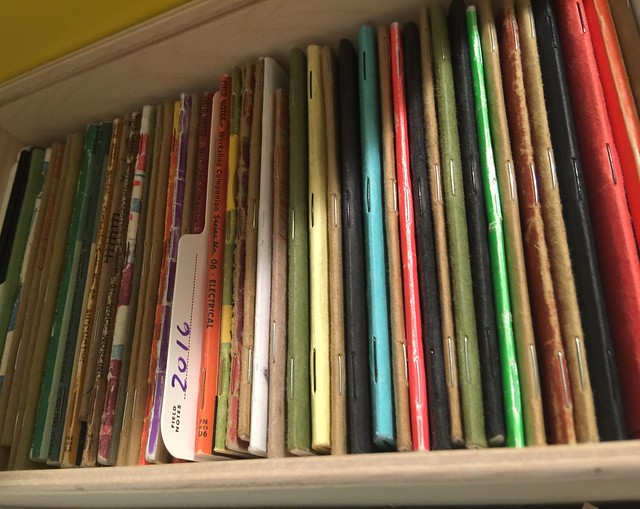
*Shout out to 50 Watts Books where I picked up this collection as well as a bunch of incredible art books (mostly not in English), including this astounding book of … Japanese manhole covers.
As the picture above suggests, this was a hard year. A coffee spill in October washed away the bottom portion of my analog record keeping and there was a two-ish month period in the summer when this notebook just got lost in the chaos that was year two of global pandemic. You’ll notice an asterisk for this year’s books – this post tallies the books I could account for with a system that wasn’t designed for the foibles of personal exhaustion or caffeinated catastrophe. In short, my reading and my record keeping of it were erratic. Here’s the closest to my annual rundown (here are my posts on books read in 2020, 2019, 2018, 2017, 2016, 2015, 2014, 2013, 2012, 2011, 2010, and 2009):
Books read in 2021: 136*
Comics and graphic novels included in reading total: 13
Books of poetry included in reading total: 12
Books reread included in reading total: 3
Academic & Education related books included in reading total: 16
YA and Junior Fiction books included in reading total: 4
Untitled new research project: 19
My favorite book of the year was Hanif Abdurraqib’s A Little Devil in America. Every essay in this book was a delight and I cannot recommend it enough.
Ishiguro’s Klara and the Sun and Natasha Brown’s Assembly were the two (very different) literary fiction books that stayed with me for months after finishing them. I keep thinking about Klara and the Sun as a book about futility and climate change. Assembly is a single-sitting novella that feels piercing and precise and deeply unsettling.
An accessible and loving text, Alexis Pauline Gumb’s Undrowned:Black Feminist Lessons from Marine Mammals embodies the kind of radical imagination that gave me a little optimism in a pretty dreary year. I would continually bring this book up in as many conversations as possible. It took a nudge from a colleague to pick this up and I offer this same favor to you as well – you will not read another book like this one.
Over the summer, I got into an argument about abolition with the gentleman giving me a tattoo. It was because I was holding Mariame Kaba’s We Do This ‘Til We Free Us and he asked me what the book was about. Maybe’s that an endorsement?
There’s a new research project I’m not ready to talk about yet but the reading for that project has gone in a ton of wild directions. Harsha Walia’s Border & Rule and Emily Ratajkowski’s My Body are both part of this work and (in very different ways) books I appreciated sitting with.
Music wise … Okay so, I’ve been writing/making books for my kids about the lives of notable women of color. Some are family members/people in their lives but some are about people like Ellen Ochoa and Aurora Castillo. Making these books–the writing, the gluing, the engineering sometimes–has been one of the more playful forms of writing I got to do this year. The most recent book is about Filipina singer-songwriter Olivia Rodrigo. Her album, Sour, was one of the most played in our house this year.
I have been spending a lot of the winter listening to this Eris Drew record and to a whole bunch of stuff from DJ Sabrina the Teenage DJ (aka the greatest artist’s name I spent time consistently listening to this year).
Over the summer I read this messy (auto?)biography of Fela Kuti and have been slowly working my way through all of his discography. His unapologetic push for the future has been shaping much of my speculative thinking.
The two songs I listened to the most were Fiona Apple’s cover of “The Whole of the Moon”:
And Bleachers’ “Stop Making this Hurt”
Shout-y choruses that include “Two, three, four, five, Oh God we barely survived” hit different amidst the pandemic, and I look forward to a 2022 that doesn’t require such poppy catharsis.
I’m halfway into Steve Hyden’s This Isn’t Happening and a few dozen pages into Kim Stanley Robinson’s The Ministry for the Future. So, as usual, here’s my breakdown of my reading for the year of hindsight:
Books read in 2020: 141 Comics and graphic novels included in reading total: 28
Books of poetry included in reading total: 11
Books reread included in reading total: 3
Academic & Education related books included in reading total: 17
YA and Junior Fiction books included in reading total: 9
The pandemic hit me as a reader. I didn’t feel as into the reading that I did. I didn’t have the same reading highs as I have had in previous years. I chalk that up to the damping effect of sheltering in place with low-key high levels of anxiety for the majority of the year. Maybe I made some poor reading selections, but reading wasn’t the respite I could have used this year. Sure, I read fewer books, too. That’s not really the point; I do think I might have read a few more books in a non-pandemic year, but I think this is close to my reading capacity while still trying to be a present dad that no longer has weekends/afternoons for selfish page-turning right now. (Side note: Ally pointed out that we read a ton of board books everyday with the kids. If Besos for Baby was included on this list, my reading count would be straight-up astronomical.)
I almost hit my goal of averaging a book of poetry a month. The books I did read were great. The Danez Smith collection (mentioned here) and Hanif Abdurraqib’s most recent collection were easy highlights.
I read two books by Olivia Laing this year, The Lonely City and Funny Weather. They were both wonderful and sent me down a spiral reading about a handful of artists I didn’t know much about like Chantal Joffe and Louise Bourgeois. The Lonely City also got me to listen to a bunch of KlausNomi this year.
I flew through all Martha Wells’ Murderbot series. As quick, fun sci-fi, it was my ideal semi-conscious, falling-asleep series of books for a chunk of the year. Likewise, Susanna Clarke’s long awaited follow-up novel, Piranesi, was short, engaging, and made me hope she’ll put out more work more frequently.
Charlie Kaufman’s debut novel, Antkind, is the most Kaufman-y thing he’s made and the funniest book I read all year. Also the most tedious. It’s not worth trying to summarize the plot about a film critic trying to write an academic book about the greatest film ever made of which only one person has seen and of which only a single frame still exists and so this critic uses hypnosis (and other methods) to attempt to recreate the reclusive filmmaker’s opus in his mind. It’s that kind of book. There’s a tangential plot line around a U.S. president named Donald Trunk who falls in love with a robot of himself. There’s nerdy film humor that made me enthused about rewatching Symbiopsychotaxiplasm. There’s a bunch of complaining about the films of Charlie Kaufman. You get it.
A Third University Is Possible was such an inspiring read at the beginning of the year that I ended up folding it into a class I was teaching, inviting K. Wayne Yang to close the Speculative Education Colloquium, and riffing on it in my own writing for future publications. I also really enjoyed Alex Rosenblat’s Uberland as representative of the possibilities of ethnography in the era of social infatuation with “algorithms” (ahem).
Comic books: I really liked Carmen Maria Machado’s horror story, The Low Low Woods. Tillie Walden continues to be one of my favorite comic creators and Are You Listening was no exception. Ines Estrada’s Alienation was confounding and I hope others read it so we can talk about it.
Finally, earlier this month a colleague recommended Maria Konnikova’s The Biggest Bluff, a book I missed in the middle of **all of this.** I flew through it. It made me miss poker, think about how I assess professional risk, and consider how limited information occludes some of my decision making.
The last concert that I attended was seeing Destroyer in San Francisco at the end of February. I consistently listened to his most recent album (contributing to this post’s title) throughout the year.
Early in the year, I picked up a copy of Cory Daye’s 1979 record, Cory and Me. The album isn’t on the major streaming platforms and disco dancing with the family to this record has been one of the real highlights during our sheltering in place.
A good chunk of my time in quarantine was spent listening to 75 Dollar Bill, Moor Mother, Boris, Angel Bat Dawid & Tha Brothahood, and PJ Harvey’s smattering of demos. I spent a bunch of money supporting these bands and smaller artists on Bandcamp throughout the year.
Three other quick thoughts from this year’s listening:
The Man Man album that came out this year was their best/most melodic and it feels like absolutely no one picked it up or reviewed it.
Jimi Hendrix’s role as a central figure in how we conceptualize Afrofuturism is probably not given enough due. I think poor marketing and over saturation of bad reissues through the ‘90s and 2000s diminished his legacy. (This Buddy Miles song has been a highlight from my wider listening of Hendrix live recordings.)
Yesterday, I finished Jenny Slate’s Little Weirds and I’ve been slowly moseying my way through this collection of essays about Elizabeth Bishop. So here’s my breakdown of my reading for 2019:
Books read in 2019: 170 Comics and graphic novels included in reading total: 42 Books of poetry included in reading total: 8 Books reread included in reading total: 5 Academic & Education related books included in reading total: 15 YA and Junior Fiction books included in reading total: 26 Roleplaying Game-related books (rules, modules, settings – related to this research): 3 [I’m mainly writing up findings from this work now; unless something substantial changes next year, I’ll stop tracking these texts at this point.]
Rather than bury the lede, I’ll share that Ally and I welcomed twins into our family in July. They are (usually) great! I’ll be referring to them by their middle names on this blog moving forward: Luna and Max.
Okay. So, the first half of the year was taken up with a lot of pregnancy-related books, most of which offered conflicting advice. (As parents might predict, the summer was filled with books related to baby sleep habits. These, too, largely offered competing and unhelpful advice; yes, I changed them and fed them and swaddled the hell out of them already.) The world of publishing around pregnancy and twins/multiples is much more limited and I found bits and pieces of these books useful in reducing some of the stress we felt in the first two trimesters; but I thought these were also pretty bad for the most part. (I may go more in depth on the pregnancy/parenting book genre in a longer post because I have #feelings about these texts, the market for literally the most mundane yet precious aspect of human culture, and the pedagogical expectations of mainstream books.) On the off chance that any readers are expecting twins in the near future (congrats!), feel free to get in touch–I’m happy to share some specific recommendations.
Carmen Maria Machado’s memoir, In the Dream House, was the best book I read this year. Intentionally unsettling, Machado pushes on the boundaries of form and genre while excavating trauma and abuse in a book that’s unlike anything else I’ve come across. It’s definitely a BSRAYDEKWTDWT-contender and, considering how much I liked Her Body and Other Parties, Machado is a new favorite writer.
And while I realize it got a ton of press, I would universally recommend Chanel Miller’s Know My Name. It’s not a pleasant read but I am grateful to have gotten to learn from Miller’s words.
Though eight doesn’t look like much in comparison to other kinds of books account for, I read a lot more poetry than in recent years. I’m going to shoot for one collection per month in 2020.To be honest, I was kicked back into a poetry mood as I ruminated on the loss of musician and poet David Berman earlier this year. Rereading his collection, Actual Air, was a painful reminder of Berman’s genius and humor, the title of this post comes from this collection. Likewise, I’ve been regularly coming back to Zadie Smith’s reading of Frank O’Hara’s “Animals.” The text has crept into a couple of my academic talks and part of it serves as an epigraph for a short essay coming out in 2020.
Nick Harkaway’s Gnomon was the weird, overly long sci-fi novel I had fun getting sucked into. It feels like only due to largesse did Ted Chiang release a new collection of stories this year. It is, of course, impeccable.
In terms of comics, Tom King’s Mister Miracle is a refreshing take on the superhero genre (and maybe a spiritual sequel to his Vision run). Not unlike In The Dream House, it’s a stunning mix of fitting within the confines of genre and form while also channeling pathos through every page. I also found the diary-style comics of Keiler Roberts to be exactly the sense of humor and reflection to take me through a sleep-deprived fall. Her most recent, Rat Time, is as good a place to start as any.
For a year and a half now, a couple colleagues and I have been systematically reading select YA books published across the past two decades. As a result, I read a lot of YA I didn’t like this year. I’ll note that—as frustrating and #problematic as I found the series—the Sisterhood of the Traveling Pants offers some interesting ideas around multimodal literacies. (Years too late to be any kind of warning, I’ll also note that the final book in the series is infuriating.) Also surprising, I found Sarah Dessen’s Just Listen was an intriguing book for thinking about trauma, romance, and multimodal composition. I guess you could probably say that about 70% of YA books, but how many of them feature a corded house phone, a parental car phone, and a cell phone all at the same time? It’s a pretty revelatory reflection of now-discarded social uses of technology from just a decade ago. As a recent book, Jason Reynolds’ novelization of Miles Morales: Spider-Man hit the comic’s tone perfectly while still hitting the same emotional and critical notes that I’ve come to consistently appreciate in Reynolds’ books.
In terms of music, I’ve been trying to play only female artists around the house to orient around dominant voices my kids hear singing as they grow up. We have a Luna and Max playlist that is bratty and whiny and loud. I try to cycle through that as much as I can. I’m thinking of collecting the scrapbook pieces of media—on that playlist or otherwise—and sharing sporadically on this blog in the future.
FKA twigs’ Magdalene was my favorite album of the year.
For being my least favorite album that they’ve put out, I really like Vampire Weekend’s Father of the Bride.
I did a lot of writing, in equal measure to Colleen Green’s album length cover of Blink 182’s Dude Ranch and to Sunn O)))’s Pyroclasts.
Synth-y, gloomy pop feels like the right vibe for 2019 in terms of national malaise. I’ve been listening to the new Black Marble album a bunch lately.
Lastly, six years ago I closed my year-end post noting that I’d been listening to this live version of Yo La Tengo’s song “Nowhere Near.” We use the album version as the song we play during Luna and Max’s bedtime routine, so—by sheer repetition—it’s the song I probably heard the most in 2019 and that’s great. Here’s the album version to help you put your year to rest.
I just finished the A-side of Jeff Jackson’s Destroy All Monsters and it will probably be the first book I finish in 2019. And so, I think it’s time to round-up my reading from the past year:
Books read in 2018: 196 Comics and graphic novels included in reading total: 57
Books of poetry included in reading total: 1
Books reread included in reading total: 2
Academic & Education related books included in reading total: 23
YA and Junior Fiction books included in reading total: 30
Roleplaying Game-related books (rules, modules, settings – related to this research): 6
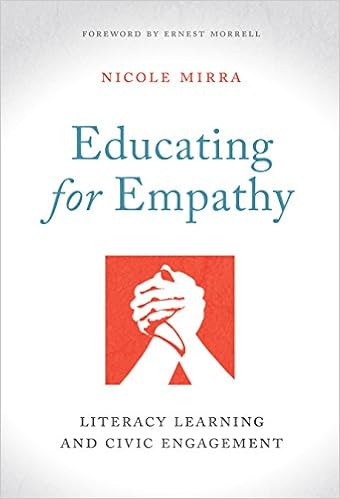
The easiest recommendation I can make is for everyone to read my friend Nicole Mirra’s book, Educating for Empathy. I’ve gotten to work with and learn from Nicole for more than a decade at this point (how is that possible?!) and this book is a great, accessible synthesis of many of her key pushes on civics, empathy, and literacy. Everyone should read it and it looks like this:
The best novels I read this year were There There (where the quote in this post’s title comes from) and An American Marriage. These are critically acclaimed works and show up on everyone’s year end lists for good reason (I see you, Barry!).
The sci-fi novel The Player of Games was the exact mixture of ethnographer-studies-games-of-foreign-cultures-but-also-in-outer-space that made it the Antero-equivalent of catnip.
I read a bunch of comic books this year and that included digging into the 9 volume collection of Naoki Urasawa’s Monster; it was one of my more sustained engagements with manga and I really enjoyed the entire run. Sabrina is the highbrow graphic novel that I’m not sure if I liked but is a good conversation starter. Mark Russell & Mike Feehan’s The Snagglepuss Chronicles(yes, that pink cat) is amazing. Snagglepuss is a playwright frequenting the Stonewall Innand facing MaCarthyism head-on. It is timely, poignant, and tragic.
Moxie is the YA novel that made me listen to a bunch of riot grrrl records for the first time in ages and if it introduces younger readers to the likes of Kathleen Hanna, 3rd wave Feminism, and the Sharpie-and-glue-and-scissors world of zine making, then that is awesome. The reality TV junkie in me also really liked Nice Try, Jane Sinner.
Virginia Eubanks’s Automating Inequality and Christopher A. Paul’s The Toxic Meritocracy of Video Gamesare both books I read for different research projects that I think could be of interest to general readers (the titles are pretty self-explanatory).
In terms of music, Janelle Monae’s Dirty Computer was my favorite album of this year and an incredible, moving live show.
Finally, I’ve been listening to this old Modern Lovers live album a lot while writing at night. “Morning Of Our Lives” feels like the kind of optimistic psalm to usher in the new year.
As I’ve only just begun The Bughouse, I think it’s time for my annual tally:
Books read in 2017: 132
Comics and graphic novels included in reading total: 23
Books of poetry included in reading total: 3
Books reread included in reading total: 2
Academic & Education related books included in reading total: 17
YA and Junior Fiction books included in reading total: 17
Roleplaying Game-related books (rules, modules, settings – related to this research): 5
I would be remiss to also point out I published two books this year as well. I’ve written about Good Receptionhere and Alternate Reality Games and the Cusp of Digital Gameplayhere. Additionally, I read substantially fewer gaming-related books as that work is now moving toward being submitted for publication. Initial work related to tabletop gaming came out earlier this year here and here.
Moving on to things I read, the first book I finished this year (on January 4th) was Jane Mayer’s Dark Money. Perhaps the most relevant and accessible book that illustrates the paths that lead to Trumpism, the lessons here continue to resonate.
A couple of novels I enjoyed: Celeste Ng’s Little Fires Everywhereand Dexter Palmer’s Version Controlboth played with precision and form. They were quick reads that still felt sumptuous. Speaking of form, I read Michael Ondaatje’s Coming Through Slaughter for the first time and the possibilities of that book as a template for conveying ethnography have had me mulling. Likewise John McPhee’s Levels of the Game is a book length reckoning of one tennis match that continues to make me think about how to step up the narrative threads in academic writing; I’m pretty sure this will make some of my graduate syllabi in the near future.
In terms of YA books, I re-read Cathy’s Book and read Nnedi Okorafor’s stellar Akata Witch both for separate projects, I hope to talk about in the future. I also really enjoyed both of Becky Albertalli’s books this year and look forward to the film adaptation Love, Simon (even if I don’t love the film’s name).
Finally, while Meet Me in the Bathroom was the quicker read about hipster music culture, Damon Krukowski’s The New Analog has been the book that has most directly affected some of my recent research. The related podcast series has been illuminating as well.
In terms of music, Vince Staples, SZA, Bleachers, and Rostam have all gotten consistent rotation. Daniel Caesar was the most surprising artist I learned about early on this year. I’ve probably streamed the Praise Break EP a couple dozen times. The 1-2 punch of the Casablanca interlude and “We’ll Always Have Paris” has been a musical highlight.
I’m slowly flipping through Tim Ferris’s Tools of Titans and a couple of academicbooks, so I think it’s time for my annual tally:
Books read in 2016: 156
Comics and graphic novels included in reading total: 30
Books of poetry included in reading total: 2
Books reread included in reading total: 2
Academic & Education related books included in reading total: 26
YA and Junior Fiction books included in reading total: 13
Roleplaying Game-related books (rules, modules, settings – related to this research): 14
For gaming research that will probably start to see the light of day in 2017, I’ve been thinking a lot about systems. Taking a large portion of the early part of 2016, Robert Caro’s hefty biography of Robert Moses, ThePower Broker, was just as good as everyone says. It points to how sprawling inequities and stratified geographies in New York weren’t accidents but rather human-driven activities. Likewise, Matthew Desmond’s Wire-like opus Evicted—as full as it is of vignettes and nuanced depictions of individuals—points to how systems beget further systems of financial and social hardship. It’s the most accessible academic book I read this year (and for the nerds, I think this book has the best footnotes I’ve come across!). Finally, I have been revisiting this quirky book on system theory from the ‘70s. With pages of random doodles alongside significant contributions to why system-driven individuals build layers of problems, Gall’s text has been helpful in connecting gaming concepts to broader social and learning connections in my own research.
The best music-related read all year was Jace Clayton’s (aka DJ Rupture) book Uproot. Looking at the globalized nature of digital music, Clayton’s book connected much of the broader music ecosystem to concerns I’ve had with celebratory digital tinkering in education. The online listening guide for the book is excellent. I hadn’t been this fascinated by autotune as I had since its absence in this T-Pain performance.
I read all six of the Expanse-series books. I haven’t seen the TV adaptation yet, but I appreciate the direction and world-building across each of the lengthy tomes. For page-turning sci-fi, I think Leviathan Wakes is a good beginning to a series that only starts to show some stress from the weight of its many storylines in the most recent, sixth volume.
This also seemed like a great year for comic books. And despite the titles of Wakanda gathering mainstream accolades, two trades by Tom King most impressed me. The current run of Vision is the stop-what-you’re-doing-and-read-this-already title I would universally recommend. In both content and form, King and colleagues are doing some incredible work here. Likewise, King’s Omega Men was a continually surprising read. This video breaks down some of the ways King is reinventing the possibilities of the traditional, 9-panel, comic page.
Finally, I’m not sure where I heard about or why I decided to read The Man Who Heard Voices. But for a book about a film director I don’t like (M. Night Shyamalan) making a movie I despise (Lady in the Water), it’s a pretty fascinating look at an uncompromising artist and a deeply flawed film. Go figure.
Musically, this was a rough year. I listened to Kanye West’s The Life of Pablo much more than any other release. The album is a flawed masterpiece and I think it’s release points to the possibilities of what it means to make an “album” in the 21st century. That being said, as much as I’ve written lots (and lots) about Kanye in the past, I can’t overlook his recent statements or behavior. I am also cautious not to disregard the fact that Kanye’s every word is scrutinized, he became the father of his second child this year, and his wife was held captive and robbed. I’ve been thinking about this Chappelle interview in regards to Kanye, lately.
Finally, I haven’t been able to face Prince or Bowie’s deaths head on this year. (I teared up listening to Starfish and Coffee recently.) Instead, the Prince collaboration with Kate Bush is probably the singular song I played the most this year (and lends it’s opening line to this blog’s title):
Likewise, the NY Times Popcast speculated that the title of Bowie’s final album comes from an Elvis Presley song. This too, has been a haunting track echoing across a harrowing year:
I can’t say 2017 looks to bode better than 2016. I’m hoping to temper what looks like a battle-heavy year politically with texts of optimism and laughter. Suggestions are welcomed.